Fears of a worsening hunger crisis in Sudan are growing as the fallout from the ongoing war since 2023 intersects with drought and rising temperatures linked to the El Niño climate phenomenon. These developments threaten crops and livestock, increasing pressure on food security in the country.
A Reuters report by Eltayeb Siddig, Nafisa Eltahir, Khalid Abdelaziz, and Olivia Le Poidevin stated that famine risks are rising in several conflict-affected Sudanese regions amid declining rainfall and damaged agricultural production, according to UN officials, aid experts, and farmers interviewed by the agency.
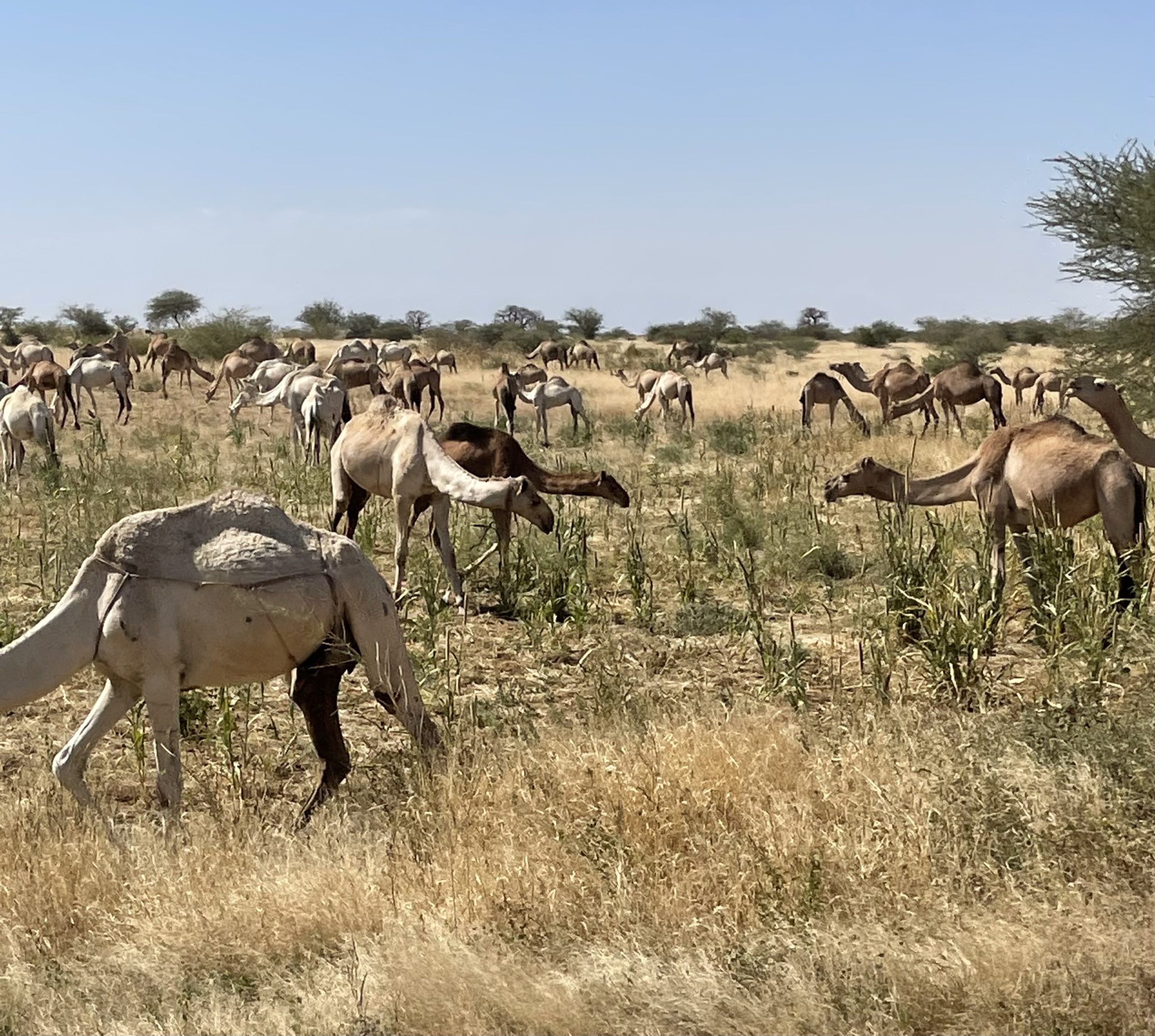
According to the report, dry conditions are damaging crops and livestock, especially in southern areas that rely heavily on rain-fed agriculture for food production. Meanwhile, the World Food Programme warned that the drought is pushing more of the population toward acute levels of hunger.
The Reuters report noted that US Geological Survey data showed the lowest rainfall rates during the recent rainy season in decades, which has impacted crop yields and livestock conditions. Farmers and traders also told the agency that crops were ruined and livestock deteriorated due to a lack of water and pasture.
Reuters quoted a prominent farmer who expects his crop yield to be only about a quarter of what he harvested the previous year, given the climate challenges and disruptions to the agricultural sector since the war broke out.
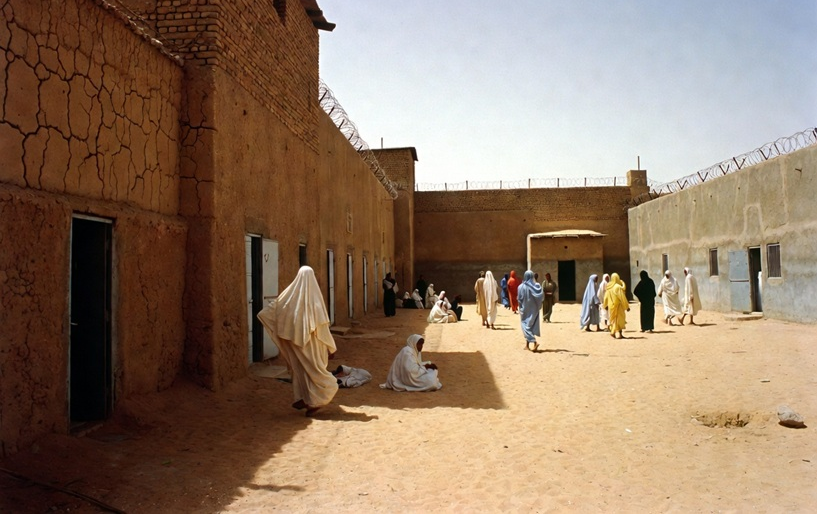
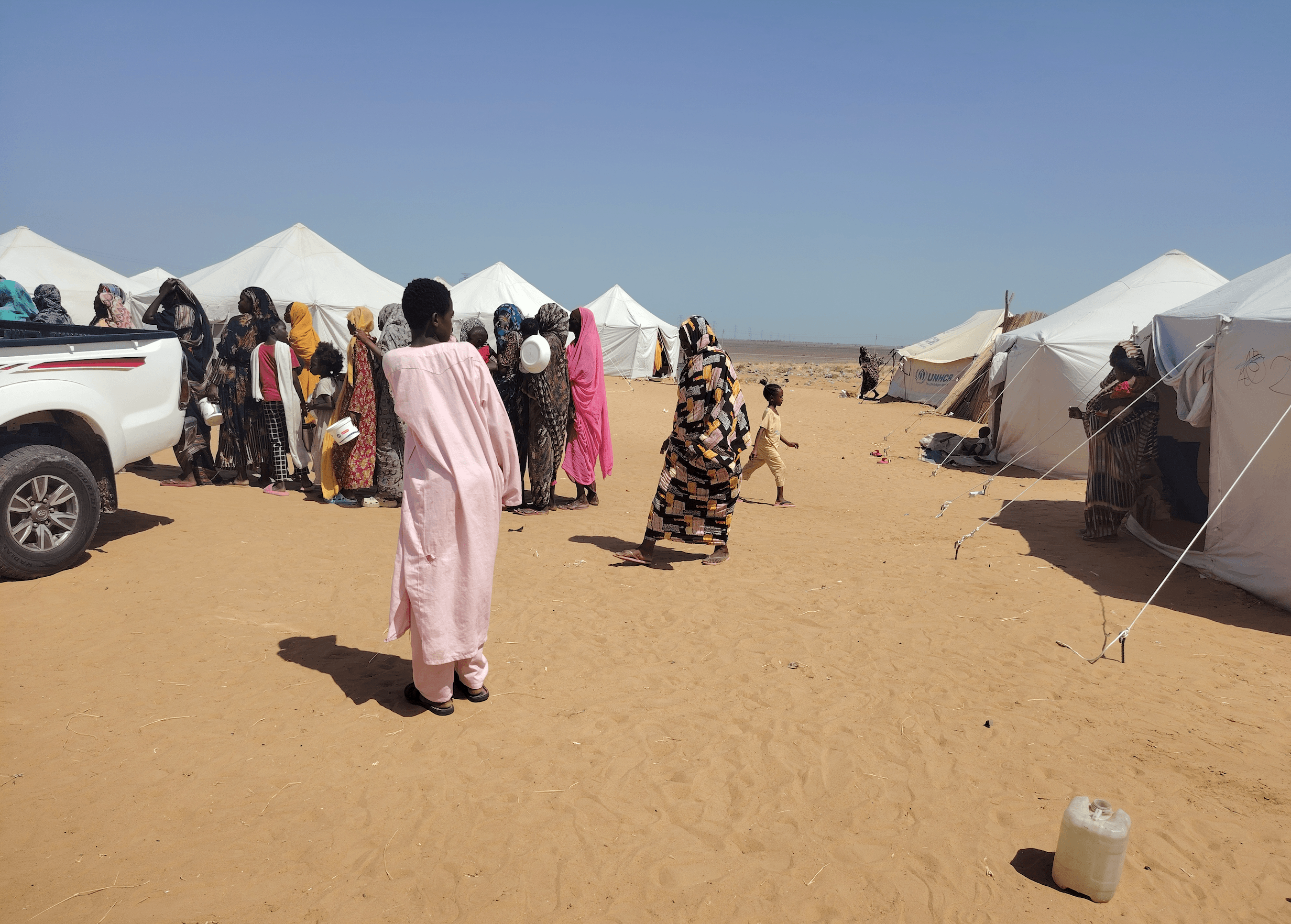
These developments come as Sudan suffers from a severe humanitarian crisis. Famine hotspots have emerged in areas affected by sieges and fighting, according to the report, raising fears of expanding food insecurity as agricultural production continues to decline.
In contrast, the agency quoted the Sudanese government stating that this year's harvest will not be significantly lower, even as warnings mount regarding the drought's impact on agricultural production and the population's ability to access food.
According to the report, Sudan faces the dual challenge of ongoing war and the repercussions of climate change. There are growing fears that the combination of conflict and declining rainfall will intensify living and humanitarian pressures, particularly in areas that depend on rain-fed agriculture and face difficulties accessing aid.